Planning for pregnancy is an exciting step, and preparing your body for pregnancy can support healthy conception and a smoother journey ahead. By focusing on daily habits, preventive care, and essential health checks, you can optimize your well-being and give yourself the best chance for a healthy pregnancy. Use the guidance below to build a personalized preconception plan, learn how to prepare your body for pregnancy, and know when to seek support from a healthcare professional.
6 Key Steps to Prepare for a Healthy Pregnancy
Getting ready for pregnancy involves more than timing. It means giving your health, lifestyle, and medical care a tune up! These evidence-based steps can help you effectively and confidently prepare a great foundation for pregnancy.
Stay physically active
Aim for at least 2.5 hours of moderate exercise weekly, such as brisk walking, cycling, swimming, or yoga. Include strength training two days a week to support joint stability and bone health. If you’re new to exercise, start with 10–15 minutes a day and increase gradually. Regular movement helps regulate insulin, improve mood, and maintain a healthy weight which all supports fertility and pregnancy outcomes. These daily habits are the best ways to prepare your body for pregnancy.
Quit harmful habits
Excess caffeine, alcohol, smoking, and marijuana can all interfere with fertility and increase pregnancy risks. Limit caffeine to about 200 mg per day (roughly one 12-ounce coffee). In general, no alcohol is best, but one serving of alcohol a week is unlikely to harm your chances of conceiving. If quitting smoking is difficult, ask your clinician about structured cessation programs, medications, and counseling tailored to preconception. In general, it is best to avoid any marijuana use when attempting to conceive. Reducing these risks is key when getting your body ready for pregnancy.
Manage stress and sleep
Chronic stress can disrupt sleep, appetite, and sometimes hormonal balance. Build a routine with mindfulness, deep breathing, journaling, or short daily walks. Prioritize 7–9 hours of sleep nightly with a consistent bedtime. Consider therapy or support groups if anxiety or depression impacts your daily life.
Start prenatal vitamins
Take a preconception nutritional supplement one to three months prior to trying to conceive and continuing through the first 10 weeks of pregnancy. Near the end of the first trimester, supplement needs can evolve and a more traditional prenatal vitamin may be appropriate. RSC recommends preconception support like Luminary Vitamins and Theralogix for evidence-based supplements patients can trust.
Update your medical history
Schedule a preconception visit with your primary doctor to review your personal and family health history, immunizations, and current medications or supplements. Discuss genetic carrier screening for conditions such as cystic fibrosis, sickle cell disease, or spinal muscular atrophy. Ensure vaccines are up to date, including influenza, COVID-19, Tdap, MMR, and Varicella as advised. Be sure to ask about timing for any live vaccines before pregnancy.
Address health conditions that may affect fertility
Thyroid disorders, diabetes, PCOS, hypertension, endometriosis, and autoimmune diseases can influence ovulation and pregnancy outcomes. Work with your provider to optimize treatment and review medications for pregnancy safety early. If cycles are irregular, or if you’re over 35 and have been trying for six months without success (or under 35 after 12 months), strongly consider a fertility evaluation with a specialist at Reproductive Science Center.
Take small steps to prepare for healthy pregnancy
You don’t need to change everything at once. Choose one or two areas to focus on and build from there. Preparing for pregnancy is about supporting your physical and emotional health in ways that feel sustainable. Be focused on the long-term goals!
At RSC, we’re here to help you feel informed, supported, and confident wherever you are in your family-building plans. If you’re ready to begin care or want expert guidance, schedule a consultation with one of our fertility specialists today.
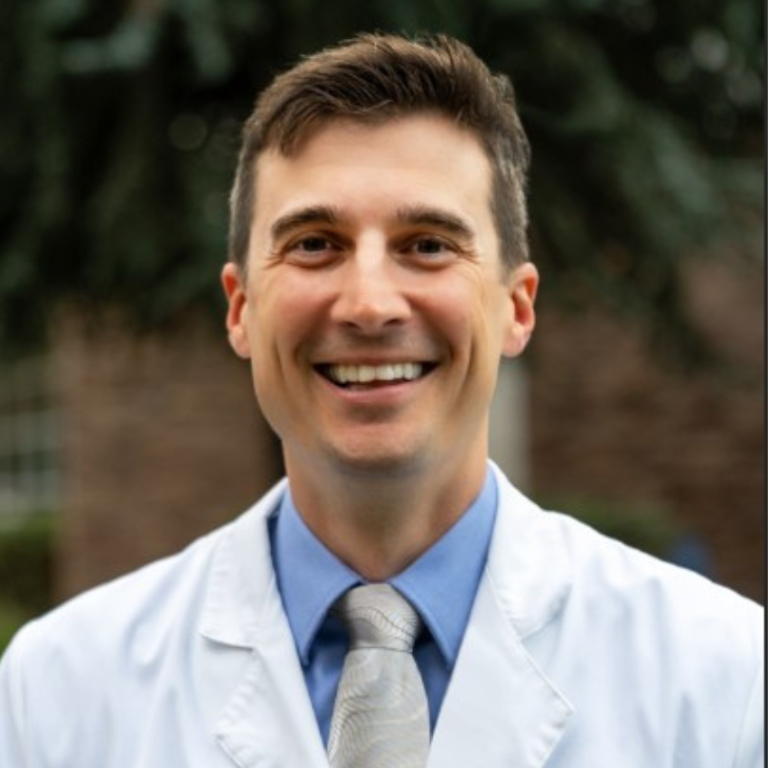
Michael Vance Homer, M.D.
Michael Homer, M.D., brings expertise, empathy, and a touch of humor to every patient’s fertility journey. He is passionate about providing inclusive, evidence-based care tailored to each patient’s needs.