Black women experience infertility at nearly twice the rate of white women, yet they are significantly less likely to receive timely fertility evaluation or treatment. Research shows Black women often wait 12–18 months longer to seek care, frequently due to mistrust of the medical system, prior experiences of dismissal, limited insurance coverage, or difficulty finding a provider who truly listens.
The disparities don’t stop at access. Even when Black women do pursue fertility care, outcomes are often poorer. Studies have shown lower IVF success rates among Black patients, even after adjusting for age and diagnosis, pointing to systemic issues rather than biology alone.
Certain reproductive conditions also disproportionately affect Black women and are frequently under-diagnosed or under-treated:
- Uterine fibroids occur earlier, grow faster, and are more severe in Black women, contributing to infertility, pregnancy loss, and complications during pregnancy.
- Endometriosis is less likely to be diagnosed in Black women, despite evidence suggesting it may be just as common—or more so—than in other populations. Pain symptoms are often minimized or misattributed.
- Implicit bias in care can delay appropriate diagnostic testing, referrals, and treatment escalation.
Fertility Equity at RSC
Equity-centered fertility care isn’t aspirational, it’s essential. Through FertilityEquity™, created by Morehouse School of Medicine, with support from Ferring Pharmaceuticals—powered by EngagedMD, we are taking meaningful steps to ensure providers and staff are trained in care that addresses disparities in fertility treatment.
Understanding Common Pre-Existing Medical Conditions in Black Women
Certain medical conditions that affect fertility are more prevalent—or present differently—in Black women. Recognizing and addressing them early can significantly improve both treatment success and pregnancy outcomes.
Fibroids (Uterine Leiomyomas)
- Why they matter: By age 50, up to 80% of Black women will develop fibroids. These benign growths can interfere with implantation, distort the uterine cavity, increase miscarriage risk, and complicate pregnancy.
- What’s often missed: Fibroids in Black women tend to appear at younger ages and grow more aggressively, yet symptoms may be normalized or overlooked for years.
- How they’re evaluated: Pelvic ultrasound and MRI allow precise mapping of size, number, and location—critical for treatment planning.
- Treatment options: Depending on fertility goals, treatment may include medication, minimally invasive procedures, or fertility-sparing surgery such as myomectomy prior to IVF or pregnancy.
Key takeaway: Fibroids are common—but they are not something patients have to “just live with,” especially when fertility is a priority.
Endometriosis
- Why it matters: Endometriosis can impact egg quality, ovarian reserve, tubal function, and implantation. Among Black women experiencing infertility, studies suggest rates may approach 30–40%, yet diagnosis often lags behind symptom onset.
- What’s often missed: Pain is frequently under-reported or dismissed, and Black women are statistically less likely to be referred for diagnostic evaluation.
- How it’s evaluated: A detailed symptom history is essential. Imaging and, in some cases, minimally invasive surgery may be recommended to confirm diagnosis.
- Treatment options: Medical suppression, surgical management, and individualized fertility treatment strategies can improve outcomes.
Key takeaway: Persistent pelvic pain or unexplained infertility deserves deeper investigation—regardless of race or age.
Metabolic and Hormonal Health
- Why it matters: Conditions such as insulin resistance, thyroid disorders, and polycystic ovary syndrome (PCOS) can influence ovulation, egg quality, and IVF response.
- What’s often missed: Metabolic factors may be oversimplified or attributed solely to weight, rather than evaluated comprehensively.
- How it’s evaluated: Targeted hormone and metabolic panels help identify treatable contributors to infertility.
- Treatment options: Nutrition support, lifestyle interventions, and medication adjustments can significantly improve fertility treatment response.
Key takeaway: Fertility care is whole-body care. Optimizing metabolic health can improve both short-term outcomes and long-term reproductive health.
Finding a Black Fertility Specialist
Research shows that Black women are up to six times more likely to report difficulty finding a physician they feel comfortable with. In fertility care, where conversations are deeply personal and decisions can feel overwhelming, trust and cultural understanding matter.
Finding a fertility specialist who listens, validates your concerns, and understands the unique challenges Black women face can make a meaningful difference in both experience and outcomes. Representation alone isn’t enough; patients deserve expertise paired with empathy.
Dr. Isiah Harris brings both. Known for his approachable style and patient-first philosophy, Dr. Harris is deeply committed to serving the Black community with thoughtful, evidence-based fertility care. Throughout his career, he has been consistently recognized for his compassion and attentiveness, earning multiple Patient Choice Awards and being named a Most Compassionate Doctor by the American Registry.
At RSC, our goal is simple: to ensure every patient feels heard, respected, and supported—because the right care starts with the right connection.
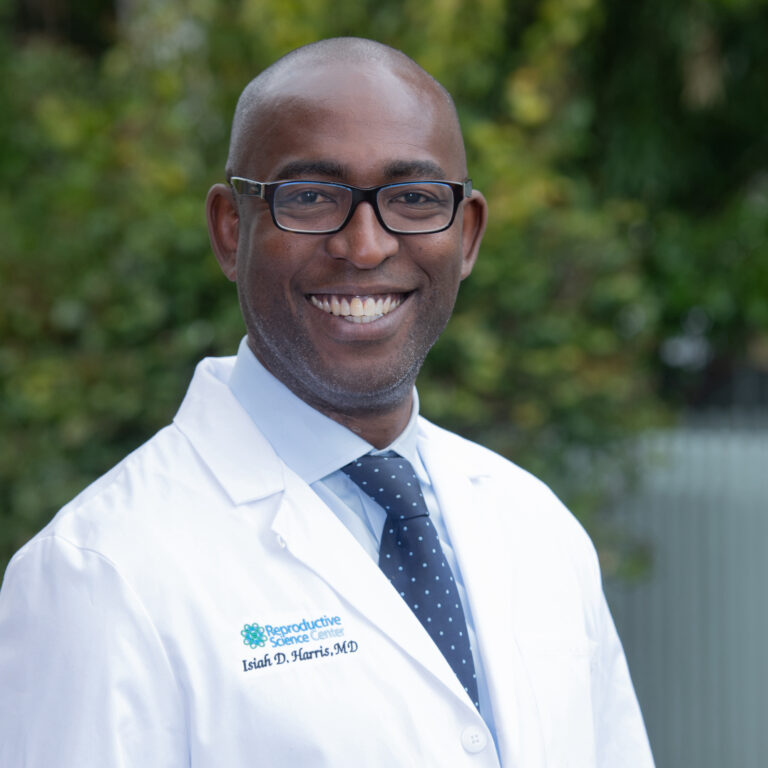
Isiah Harris, M.D., M.Sc.
Isiah Harris, M.D., M.Sc., brings warmth and expertise to every patient interaction. Dr. Harris looks forward to being a supportive and dedicated partner to every patient at our Los Gatos clinic, guiding them on their path to building the family of their dreams.